Showing posts with label Pregnancy. Show all posts

Monday, May 28, 2012

What are the Differences in Pregnancy Age of 20s, 30s and 40s


The presence of a baby in the house is a very desirable thing for most married couples. But there are more important things considered before a woman decides to get pregnant, that her health condition. Each stage of the age of women having different health conditions. Risk pregnancies experienced also be differently. Below is a difference in the pregnancy age of 20s, 30s and 40s:

Age of the 20s: Body Fit, The Right Time
At the age of 20, women are very good physical condition, and had peak fertility. The advantages pregnant while in their 20s are:
  • Minimal risk of miscarriage. This is because the ovum is relatively young, so it is relatively stronger even in the first trimester.
  • A good ovum quality reduces the chance of birth defects, caused by abnormalities of chromosome number.
  • Young women are more resistant to health problems during pregnancy.
  • Pregnancy at a young age allows women actively care for and raise children in a long time.

Age of the 30s: Age hard to conceive
In general, pregnancy in the 30s, is considered quite risky, because:
  • Physical conditions that no longer fit, making pregnant women feel more tired and less likely to withstand the attacks of morning sickness.
  • At this age there were many health complaints during pregnancy, such as high blood pressure and diabetes. These health problems often affect the process of childbirth. It is this factor which causes the labor of women in the age of 30 tend to be more frequently performed by caesarean section.
  • The risk of miscarriage reaches 11.7%, if the pregnancy in the range of 30-34 years of age. Meanwhile, at the age of 35-39 years, the risk increases to 18%. Other risks are: Placenta previa, placenta abruption, less weight infants and infants born prematurely. The most serious is the possibility of a baby suffering from disorders such as Down syndrome (1: 952 births), and abnormal number of chromosomes (1:385 births).

Age of the 40s: Pregnancy risk
If not maintained then the pregnancy at the age of the 40s, very prone to miscarriage.
  • This condition is caused by several things, such as ovum quality that no longer fit, it is likely that began fragile lining of the uterus and reduced blood supply.
  • Babies born also at risk of physical abnormalities. Like the larger size of the baby's head, flat nose and closed (a little inside), genitals and chest look puffy.
  • Nevertheless, health technology has evolved allowing an 40-year old mother to remain pregnant and give birth to healthy babies. As long as mothers maintain their health and to the doctor regularly during their pregnancy. This step is performed to monitor fetal development.

READMORE - What are the Differences in Pregnancy Age of 20s, 30s and 40s

Saturday, May 26, 2012

10 Important Things to Do Every Day During Pregnancy


During pregnancy, women tend to think many things. Generally they will be more focused with her pregnancy and began to prepare a lot of things to welcome her baby. Ranging from baby gear, baby name, the selection for the maternity hospital, the health of the fetus, and others. In addition to these things, here are some things you should do every day during pregnancy.

1. Drink plenty of water.
When the baby is born, your blood volume will increase by 50%. Drink at least 8 to 10 glasses of water a day to stay properly hydrated.

2. Snacking more often.
Choose nutritious snacks and enjoy these foods throughout the day and also before sleep. You have to nourish yourself and your baby too. Not empty stomach also can help reduce nausea and mild dizziness are common in pregnant women.

3. Intake of supplements.
Add vitamin or mineral for pregnant women in your daily menu, which is recommended or prescribed by your doctor. These supplements are needed to fill the nutritional gaps in your diet, as well as make sure you get plenty of nutrition in infants need, such as folic acid (folate).

4. Doing Kegel exercises.
The usefulness of this exercise is to establish and strengthen the pelvic muscles or PC muscles (pubococcygeal Muscle), muscles attached to bones of the pelvis and was instrumental in moving the pelvic organs are the uterus, bladder, and intestines. In addition to improving sexual satisfaction, Kegel exercises can also strengthen the muscles of the vaginal and perianal which will facilitate the birth of a baby without tearing the birth canal, accelerating the post-partum healing, prevent the discharge of urine is often experienced by pregnant women or when sneezing and cough, and prevent hemorrhoids.

5. Regularly to the toilet.
Pregnant women are more prone to urinary tract infections. Therefore you should never resist the urge to urinate into the toilet when you want. Lean slightly forward yourself while urinating until your bladder feels completely empty.

6. Rest and relax.
Keep away from stress is not only good for your health, but also your baby. A simple way to avoid stress such as rest while breathing deeply for a moment, meditate, take a nap, or get out and walk around. Sit whenever you can, and put your feet up whenever possible.

7. Learn something new.
Take advantage of this period to deepen your knowledge on matters relating to pregnancy, birth, or infant care.

8. Do the exercise.
Although just do some stretches in the living room, choose to use the stairs instead of elevators, is an important activity done regularly for your blood pumping.

9. Do not forget "your other life".
Pregnancy can take all your life. Usually the mother will worry about something that should not be necessary, for example, the selection of names for the baby, pain during pregnancy, or suffering to be experienced during the birth process. Let your mind calm and free from that anxiety. Make your heart happy by reading books, watching TV / DVD or calling an old friend so that your brain can think about something other than these things.

10. Enjoy it.
Pregnancy is an unique time and special for every woman. Even if you frequently experience heartburn, nausea and insomnia even during this period, take a few minutes each day to enjoy the wonders that grow in your body.

READMORE - 10 Important Things to Do Every Day During Pregnancy

Wednesday, May 23, 2012

How to Prevent TORCH Infections in Pregnant Women


TORCH infections that occur in pregnant women can harm the fetus. TORCH infection, clinical symptoms are often difficult to distinguish from other diseases because the symptoms are not specific. Therefore, the laboratory examination is needed to help find out TORCH infection so the doctor can provide appropriate treatment or therapy.

Given the dangers of the TORCH for pregnant women, those of you who are planning pregnancy or who are currently pregnant, may consider the following suggestions so that your baby can be born with a healthy and perfect condition.

1. Eat nutritious foods
When pregnant, you should eat lots of nutritious food. In addition to good fetal development, adequate nutrition will also make the body healthy and strong. When the body healthy, the body can fight off many diseases including TORCH, so it will not infect the body.

2. Perform tests before pregnancy
It is better if you check your body before getting pregnant. You can check whether the body contained a virus or bacteria that can cause infection of TORCH. If you've been infected, follow your doctor's advice to treat and delay pregnancy until completely healed.

3. Vaccination
Vaccination aims to prevent the entry of the parasite that causes TORCH. Such as the rubella vaccine can be done before pregnancy. But, you should not get pregnant before until 2 months later.

4. Eat foods that are cooked
Avoid eating food is not cooked or partially cooked. Viruses or parasites cause TORCH can be found on food and will not die if the food is not well cooked. To prevent that possibility, always consume cooked foods in your daily life.

5. Regularly check your pregnancy
Be sure that you check your pregnancy regularly so that can be done immediately action if in your body was infected with TORCH. Rapid handling can help so that the baby's condition does not become worse.

6. Keep your body clean

Keep your body hygiene. Basic hygiene procedures, such as washing hands, is very important.

7. Avoid contact with people suffering from TORCH
A pregnant woman should avoid contact with anyone suffering from a viral infection such as rubella.

READMORE - How to Prevent TORCH Infections in Pregnant Women

TORCH Infections: Causes, Symptoms, Effects and Laboratory Tests


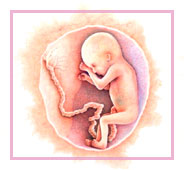
TORCH is an acronym of the four types of infectious diseases : TOxoplasma, Rubella, Cytomegalovirus, and Herpes. TORCH is an infectious disease that is harmful to the fetus if the infection suffered by pregnant women.

TOXOPLASMA

Causes :
The parasite called Toxoplasma gondi.

Symptoms :
Generally, Toxoplasma infections occur without specific symptoms. Only approximately 10-20% of cases of Toxoplasma infection accompanied by mild symptoms, influenza-like symptoms, can result in fatigue, malaise, fever, and generally do not cause problems.

Toxoplasma infection is dangerous when it occurred while the mother is pregnant or in people with compromised immune systems (eg people with AIDS, organ transplantation patients who received the drug suppressing the immune response).

Effects :
If a pregnant woman infected with Toxoplasma is a result that can happen is a spontaneous abortion or miscarriage (4%), stillbirth (3%) or infants suffering from congenital toxoplasmosis. On congenital toxoplasmosis, symptoms can appear as an adult, such as eye and ear disorders, mental retardation, seizures and encephalitis.

Laboratory Tests :
Laboratory tests are absolutely necessary to get a proper diagnosis. Examinations are commonly performed are anti-Toxoplasma IgG, IgM and IgA, and also avidity anti-Toxoplasma IgG.

Examination needs to be done on people suspected of being infected with Toxoplasma, the mothers before or during pregnancy (when a negative result bullet repeated once a month, especially in the first trimester, then each trimeter), and newborns of mothers infected with Toxoplasma.


RUBELLA

Causes :
This infection is caused by Rubella virus, can attack children and young adults.

Symptoms :
Rubella infection characterized by acute fever, rash and enlarged lymph nodes. Signs and symptoms of rubella infection varies for each individual, even in some patients unrecognized, especially if the red rash does not appear. Hence, the laboratory examination is required.

Effects :
Rubella Infection dangerous when occur in the young pregnant woman, because it may cause abnormalities in babies. If infection occurs in the first month of pregnancy, the risk of abnormalities was 50%, whereas if infection occurs first trimester the risk is 25% (according to the American College of Obstatrician and Gynecologists, 1981).

Laboratory Tests :
Laboratory examinations performed included
  1. Examination of Anti-Rubella IgG can be used to detect the presence of immunity during pregnancy. If they are not immune, it is recommended to be vaccinated.
  2. Anti-Rubella IgM.
Examination of Anti-rubella IgG and IgM is particularly useful for the diagnosis of acute infection in pregnancy <18 weeks and the risk of congenital rubella infection.


CYTOMEGALOVIRUS (CMV)

Causes :
CMV infection is caused by a virus Cytomegalo, and these virus including the groups of Herpes virus family. CMV virus can stay latent in the body and CMV is one cause that is harmful infection to the fetus if infection occurs when the mother was pregnant.

Symptoms :
Symptoms can range from very severe to minimal symptoms, some even without symptoms. Because it can affect almost any organ, the symptoms vary widely depending on the organ being attacked. CMV usually causes fever, decreased white blood cell count (leukopenia) and tired, lethargic. Creatinine can be elevated in renal transplant patients with CMV infection. Infection in the lungs causing breathlessness and coughing. In the digestive system such as the stomach and intestine, CMV infection causes nausea, vomiting and diarrhea. Encephalitis (brain) CMV can cause seizures, painful lump, and coma. If the patient is pregnant, CMV can infect the fetus and cause disturbances in specific organs of the fetus.

Effects :
If a pregnant woman is infected. the fetus at risk of contracting the disorder such that an enlarged liver, jaundice, brain calcifications, deafness, mental retardation, and others.

Laboratory Tests :
Laboratory tests are very useful to know the acute infection or recurrent infections, in which acute infection have a higher risk. Laboratory tests performed included anti-CMV IgG and IgM, and also avidity anti-CMV IgG.


HERPES SIMPLEX TYPE II

Causes :
Herpes infection of the genitals is caused by herpes simplex virus type II (HSV II). The virus can be in a latent form, spread through sensory nerve fibers and dwell in the autonomic nervous system ganglion.

Symptoms :
Symptoms of herpes simplex can vary from one individual to another. The first infections last longer and heavier, approximately 3 weeks and often accompanied by other symptoms such as fever, fatigue, pain around the mouth, no appetite and can be found swollen lymph nodes. The main symptoms of clustered vesicles over the skin is swollen and red, containing clear fluid and then became cloudy, sometimes itchy and may be crusting. Then this crust will be separated from the skin and skin showing pink that will heal without scarring. These vesicles can arise in any part of the body, but most often occur in the area around the mouth, nose, genital area and buttocks. After that, patients included in the latent phase, because the virus is still present in the patient's body in an inactive state in the ganglion (nerve cell bodies).

Effects :
Babies born to mothers infected with HSV II usually showed blisters on the skin, but this does not always appear so it may not be known. HSV II infection in newborns can be fatal (In more than 50 cases)

Laboratory Tests :
Laboratory tests are the Anti-HSV II IgG and IgM is essential for early detection of the possibility of infection by HSV II and prevent further harm to the infant when infection occurs during pregnancy.
READMORE - TORCH Infections: Causes, Symptoms, Effects and Laboratory Tests

Tuesday, May 22, 2012

What are the Female Reproductive Organs Disorders Causes Difficult Pregnancy


Many things can cause a difficult pregnancy. One of them is a disruption in the body or the female reproductive organs. Therefore, it is important to check the health of your body and your reproductive organs and your partner during preconceptions period. With early detection, then mitigation can be done. Below are some disruption in female reproductive organs:

Unovulasi
Although you are menstruating, it turns out in a month could be no ovulation at all. This happened not because the ovum had been extinct, but due to hormonal imbalance or disruption of ovarian function. These disorders can be cured by a doctor.

Anti-sperm
This occurs when antibodies attack the body's sperm come. Antibodies regard the sperm as an enemy. As a result of fertilization difficult to occur, because the sperm falling. Usually, the doctor will give medicine, or perform artificial insemination or in-vitro fertilization (IVF) that can occur between sperm and ovum fertilization.

Tumors
Disruption of this conception arises because there are tissue grow abnormally. Tumors can be benign (not invade surrounding tissue) or it could be malignant. Cancer or malignant tumors invade and destroy nearby tissue and spread there. Tumors can occur in all organs of women, from the ovary, uterus, cervix to the vagina. During the early detected, tumor or cancer may be treated, with surgery and or chemotherapy.

READMORE - What are the Female Reproductive Organs Disorders Causes Difficult Pregnancy

Monday, May 21, 2012

How to Minimize Risks of Pregnancy Over 30 Years Old


Pregnancies occurring in women aged over 30 years old, especially for the first child will inviting the risk of health problems for both mother and fetus. Below are some tips to minimize the risk of pregnancy at the age over 30 years old:
  1. Do monitoring of health problems that may arise during pregnancy, such as high blood pressure and diabetes.
  2. Try not to have an excessive weight gain.
  3. Consumption of supplements, especially folic acid, as recommended by doctors to reduce the risk of congenital malformations in the fetus, such as spina bifida.
  4. Find information about the risks of pregnancy you are living, and what tests you should do for the early detection of health problems that may arise in pregnancy.

READMORE - How to Minimize Risks of Pregnancy Over 30 Years Old

Sunday, May 20, 2012

What are Early Signs of Pregnancy Before Missed Period


Many women think that the early signs of pregnancy is a missed period. Though a missed period is not the only sign of early pregnancy. In fact, when you consider yourself even if you are still menstruating, it does not mean you're not pregnant. So, what are the early signs of pregnancy specific shows that you really pregnant? Here are 17 signs of early pregnancy, if you have experienced 10 of them, chances that you really pregnant:
  1. Breast swelling
  2. Often tired
  3. Nausea
  4. Frequent urination
  5. Headache
  6. Backache
  7. Stomach cramps
  8. Cravings or reject certain food
  9. Constipation and bloating
  10. Mood swing
  11. Increase in body temperature
  12. Sensitive to the smell
  13. Dizziness and fainting
  14. Spots
  15. Experience symptoms of PMS
  16. Positive at pregnancy test
  17. There is a growing fetus in your womb that you can know from an ultrasound examination

READMORE - What are Early Signs of Pregnancy Before Missed Period

What is the Most Common Complaint During Pregnancy and Its Solutions


Hormonal And body shape changes during pregnancy can cause discomfort to the mother. Here are some of the complaints that may be experienced by pregnant women and its solution:

1. Waist and Back Pain
Tiredness or excessive activity can cause pregnant women experience waist and back pain.
Solution: Reduce the activity and keep your posture upright and not bent.

2. Tiredness
Many occurred in the last trimester of pregnancy.
Solution: Pay attention to body condition and adequate rest.

3. Dizziness
Pregnant women with low blood pressure more often tend to experience it.
Solution: Sit with both legs lifted position or sprawled on the bed.

4. Swelling
The growing belly will add weight to support the body so that not infrequently the feet become swollen.
Solution: Maintain a diet (reduce coffee and tea, and drink plenty of water) and rest with your feet higher than the head (put pillows under your feet).

5. Insomnia
When the third trimester, most pregnant women often have difficulty sleeping, due to various problems of pregnancy such as back pain, burning sensation in the chest, and cold to pee constantly. But researchers at Lenox Hill Hospital in New York City stated that one of the causes of this sleep disorder is an overactive fetus.
Solution: Pregnancy massage is very beneficial dealing with insomnia.

6. Leg Cramps
The cause is presumably due to pregnancy hormones, calcium deficiency, tiredness , pressure on the uterine muscles, less moving so that blood circulation is not smooth.
Solution: Increase foods that contain calcium like milk, dairy products, salmon, or sardines. If the cramps strike, sit down and straighten your legs are sore. Bend the ends of your toes, and pull toward the body. Repeat until the cramps disappear.

7. Morning Sickness
Morning sickness occurs because of development of the placenta and produce a kind of HCG hormone. The higher of these hormones stimulate vomiting.
Solution: Pay attention to your diet (avoid acidic or spicy foods and dairy products) and eat just enough (a little, but often). And you can also add grated ginger in your tea to relieve morning sickness.

READMORE - What is the Most Common Complaint During Pregnancy and Its Solutions

Friday, May 18, 2012

7 Health Risks Pregnancy at a Young Age


Every pregnancy should be well planned. in addition to physical and mental condition to be healthy, maternal age is also noteworthy. Even when women began to enter the fertile period and ready to reproduce at the age of menarche or first menstruation, but in fact their reproductive organs have not been ready enough to welcome the presence of the fetus. There are many health issues lurking pregnant women at a young age. Below are some risks that can be experienced by pregnant women at a young age:

1. Endometrium has not been strong enough.
Sloughing of the uterine lining at each menstrual period is still unperfect. This is less conducive to the attachment of the embryo into the uterine wall. The risks are easy miscarried fetus and the probability are three times more higher than those who were pregnant at the age of 25 years old. Other risks are fetal growth unhealthy or Intrauterine Growth Restriction (IUGR).

2. Immature ovum.
Woman's ovaries are still too young to learn to produce qualified ovum. If these ovum fertilized, no one can guarantee the quality of the embryos.

3. Uterus and pelvic organs to accommodate the fetus has not been strong enough.
Reproductive organs such as uterus, cervix and the muscles in the pelvic ligaments is still immature and not strong enough, so it is not ready to function properly in support of pregnancy and childbirth. The risks are miscarriage, bleeding, premature labor, pelvic organ prolapse, and even rupture. Young pregnant women are also 4 times higher threatened for serious injury during childbirth.

4. Risk of high blood pressure and pre-eclampsia.
The cause is a young mother's body has not the strength to endure the pregnancy so that metabolism is easily distracted. Symptoms of high blood pressure is generally not detected in early pregnancy. But, in the middle of pregnancy, pregnant women can suddenly had a seizure, bleeding, and even became into eclampsia that life-threatening mother and fetus.

5. Anemia.
Anemia can cause impaired fetal growth and development. The cause is the mother body's metabolism is not yet perfect when she gets the extra blood volume due to pregnancy, is also due to a diet low in iron because young women tend to frequent dieting. This is the reason why young women who become pregnant must undergo a blood test to detect anemia and thalassemia.

6. Unrealized Pregnancy.
In many cases of early pregnancy, the mother realized too late gestation due to pre-pregnancy still have irregular menstrual cycles, so it is considered as a normal condition. Because pregnancy is not realized, the young mother may have to do unhealthy lifestyle such as diet, alcohol consumption, smoking exposure, which can interfere with pregnancy and fetal growth, leading to premature labor or babies born with low weight.

7. Risk of cervical cancer and genital disease.
Women who have an active sexual intercourse at the age under 20 years old, have a higher risk for contracting a viral infection of the reproductive organs, such as the Human Papilloma Virus causes cervical cancer, and also attacks of sexual genital diseases, including Chlamydia can cause eye infections and pneumonia in infants, or syphilis can cause blindness in infants, and maternal and fetal mortality.

READMORE - 7 Health Risks Pregnancy at a Young Age

Thursday, May 17, 2012

What Causes, Symptom, Impact of Toothaches During Pregnancy and How to Avoid it


In addition to physically and mentally to be prepared, oral health also need to consider when you're pregnant. Why? Because of a toothache during pregnancy can cause the patient can not eat properly so that pregnant women be less appetizing to eat. It will certainly affect the nutrition of the fetus. Below are things you should know about toothache:

CAUSES

1. Mild inflammation of the gums (gingivitis) which is known too late.
Hormonal changes in pregnant women may aggravate the inflammatory reaction. Gingivitis is usually due to calcification of dental plaque has been the result of the remnants of food, poor fillings, and denture quality is not good.

2. Hormonal imbalance.
Increased concentrations of the estrogen and progesterone hormones during pregnancy have varying effects on maternal body, including the widening of blood vessels that lead to increased blood flow so that the gums become red, swollen and bleed easily. But, if oral hygiene properly maintained during pregnancy, significant changes in the gum is rare.

SYMPTOM

In the first to the third trimester of pregnancy usually appear enlarged gums that bleed easily. This is because gum excessive to response local irritation. Then in a few days before and after childbirth, gums will return to normal as before pregnancy. Gums will look like a rounded, smooth, shiny, bright-red, soft consistency, bleed easily when exposed to the touch.

IMPACT

Do not let pregnant women had a tooth infection during pregnancy, because it can lead to increased prostaglandin hormones. Due to this increase in prostaglandin hormones the uterus will contract and tightening. This contraction will push the fetus. If allowed to continue contraction will cause the baby is born prematurely.

SOLUTION

1. Dental health check before deciding to become pregnant.
Dentist will eliminate all kinds of local irritants such as plaque, calculus, food scraps, repair patches, and fixes the poor denture.

2. Increase your daily dental health care.
Activities such as brushing teeth after every meal and at bedtime. And keep the intake of food properly.

3. If the tooth extraction should be done, talk to your doctor about the effects on the fetus. The safest phase to do tooth extraction is in the second trimester.

READMORE - What Causes, Symptom, Impact of Toothaches During Pregnancy and How to Avoid it

Followers